GLP-1 receptor agonist medications like semaglutide (Ozempic, Wegovy) and tirzepatide (Mounjaro, Zepbound) have transformed weight management and metabolic health for millions of patients. But as adoption continues to accelerate, so do the side effects and nutritional challenges that come with these treatments. For supplement brands, this creates a significant and timely product opportunity. Finding the right GLP-1 support supplement manufacturer is the first step toward bringing a clinically informed, compliant product to market.
The numbers behind GLP-1 adoption are hard to ignore. The global GLP-1 receptor agonist market was estimated at over $70 billion in 2025, and the companion nutritional support market is projected to grow from $4.1 billion to $13 billion by 2035. An estimated 30 to 50 million people in the U.S. alone are potential candidates for GLP-1 medications. Each one of those patients is a potential consumer for supplements designed to support them through treatment.
GLP-1 support was the dominant trend at SupplySide Global 2025, with industry observers noting that nearly half the exhibitor booths featured GLP-1 companion products. This is not a niche category anymore. It is a mainstream supplement segment with strong clinical backing and growing consumer demand.
It is important to be clear about what these products are and what they are not. GLP-1 support supplements are not designed to replace GLP-1 medications or mimic their mechanism of action. They are formulated to help patients who are already on GLP-1 therapy manage the well-documented side effects and nutritional consequences of treatment.
GLP-1 medications work by slowing gastric emptying and suppressing appetite, which often leads to significantly reduced caloric intake. While that reduction drives weight loss, it also creates real challenges. A joint advisory from the American College of Lifestyle Medicine, the American Society for Nutrition, the Obesity Medicine Association, and The Obesity Society identified several key nutritional priorities for patients on GLP-1 therapy, including adequate protein intake, micronutrient sufficiency, and gastrointestinal symptom management.
The most common areas where GLP-1 support supplements can provide value include:
Protein and muscle preservation: Rapid weight loss on GLP-1 medications does not only mean fat loss. Patients frequently lose lean muscle mass as well. High-quality protein supplements, along with ingredients like creatine monohydrate and HMB, can help preserve muscle when combined with resistance training.
Micronutrient support: When patients eat significantly less food, they are at higher risk for deficiencies in vitamin D, calcium, B12, magnesium, and other essential nutrients. Targeted multivitamin formulations designed for reduced-calorie diets can help close those gaps.
Digestive health: Between 20% and 50% of GLP-1 patients experience gastrointestinal side effects including nausea, constipation, bloating, and diarrhea. Probiotics, fiber supplements, and digestive enzyme blends can support gut health and improve tolerability.
Electrolyte and hydration support: Reduced food and fluid intake can lead to electrolyte imbalances, which affect energy, cognitive function, and overall wellbeing.
GLP-1 support supplements require more thought than simply combining a multivitamin with a protein blend. The formulation has to account for the fact that patients on these medications already have slowed gastric emptying and reduced appetite. That means delivery format matters. Ingredient interactions matter. Dosage precision matters.
A capsule that sits in the stomach for hours because of delayed gastric motility is not going to deliver the same experience as a liquid or powder format optimized for absorption. A formulation loaded with iron or calcium at doses that exacerbate existing GI distress will create compliance problems. These are the kinds of details that separate a well-designed GLP-1 companion product from a generic supplement with a trending label claim.
Eagle Labs provides full-service contract manufacturing for brands developing GLP-1 support supplements. From formulation development through packaging and fulfillment, every stage of production is handled in-house at our U.S.-based, cGMP-compliant facility.
Our formulation team works directly with brand partners to develop products that address the specific needs of GLP-1 medication users. Whether you are building a protein-forward powder, a targeted multivitamin, a digestive health capsule, or a comprehensive GLP-1 companion bundle, we have the manufacturing capabilities and regulatory knowledge to support your product from concept to shelf.
Our vertically integrated supply chain gives us direct control over ingredient sourcing, which means better quality assurance and more consistent finished products. Every batch undergoes rigorous testing for identity, potency, purity, and contaminants, with full Certificates of Analysis provided for each production run.
GLP-1 support supplements occupy a space that requires careful attention to regulatory compliance. These products must be positioned as dietary supplements that support nutritional needs, not as treatments or alternatives for GLP-1 medications. Label claims, marketing language, and ingredient selection all need to align with FDA guidelines for dietary supplements.
Eagle Labs provides regulatory guidance throughout the development process to help ensure your product meets compliance standards and avoids claims that could attract enforcement action. Our documentation and traceability protocols also support retailer requirements and third-party audit readiness.
The GLP-1 companion supplement category is growing fast, and brands that move now with well-formulated, compliant products will be best positioned to capture market share. Eagle Labs offers the manufacturing infrastructure, formulation expertise, and quality systems to help you get there.
Contact our team to discuss your GLP-1 support supplement project and learn how our turn-key manufacturing services can accelerate your path to market.
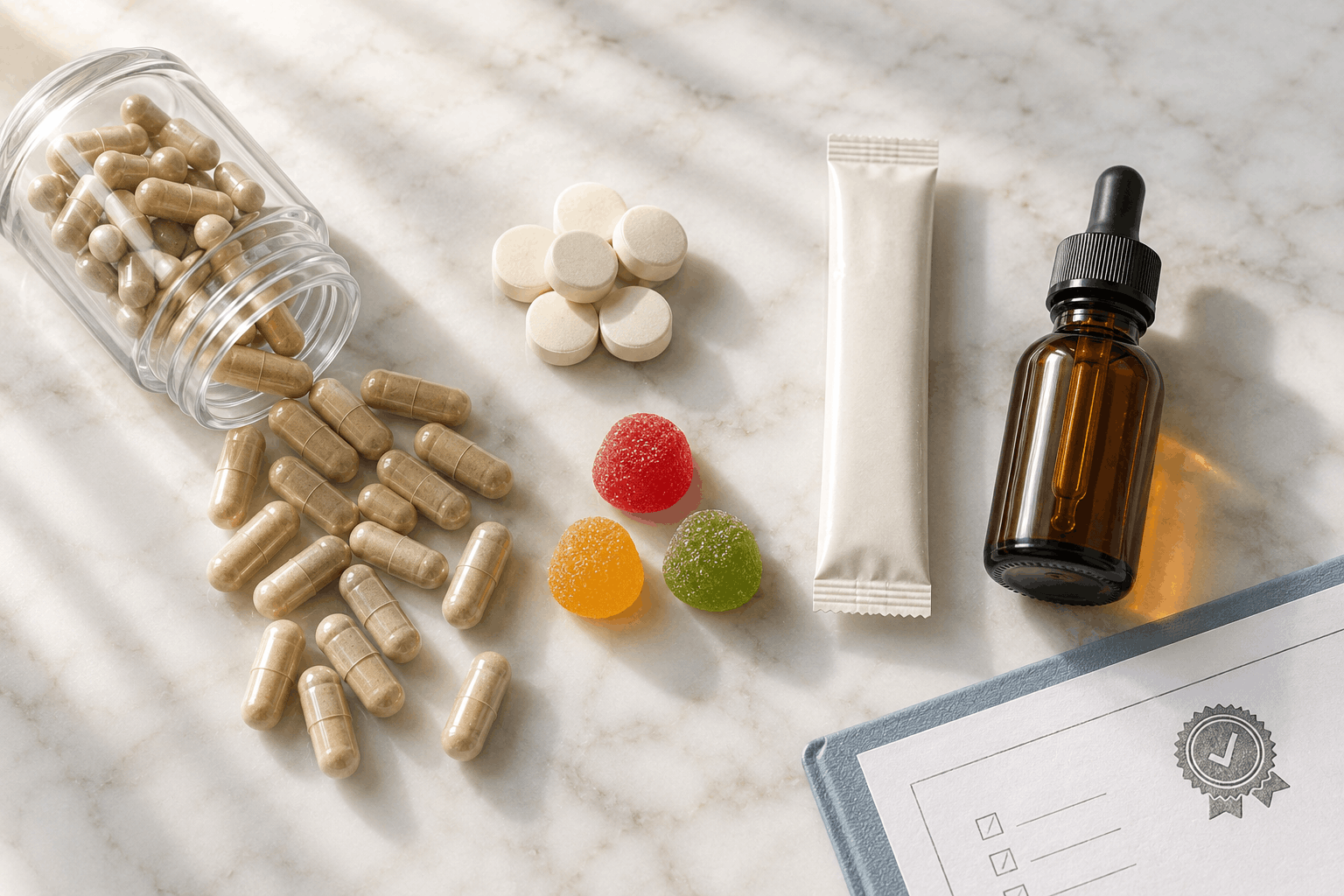
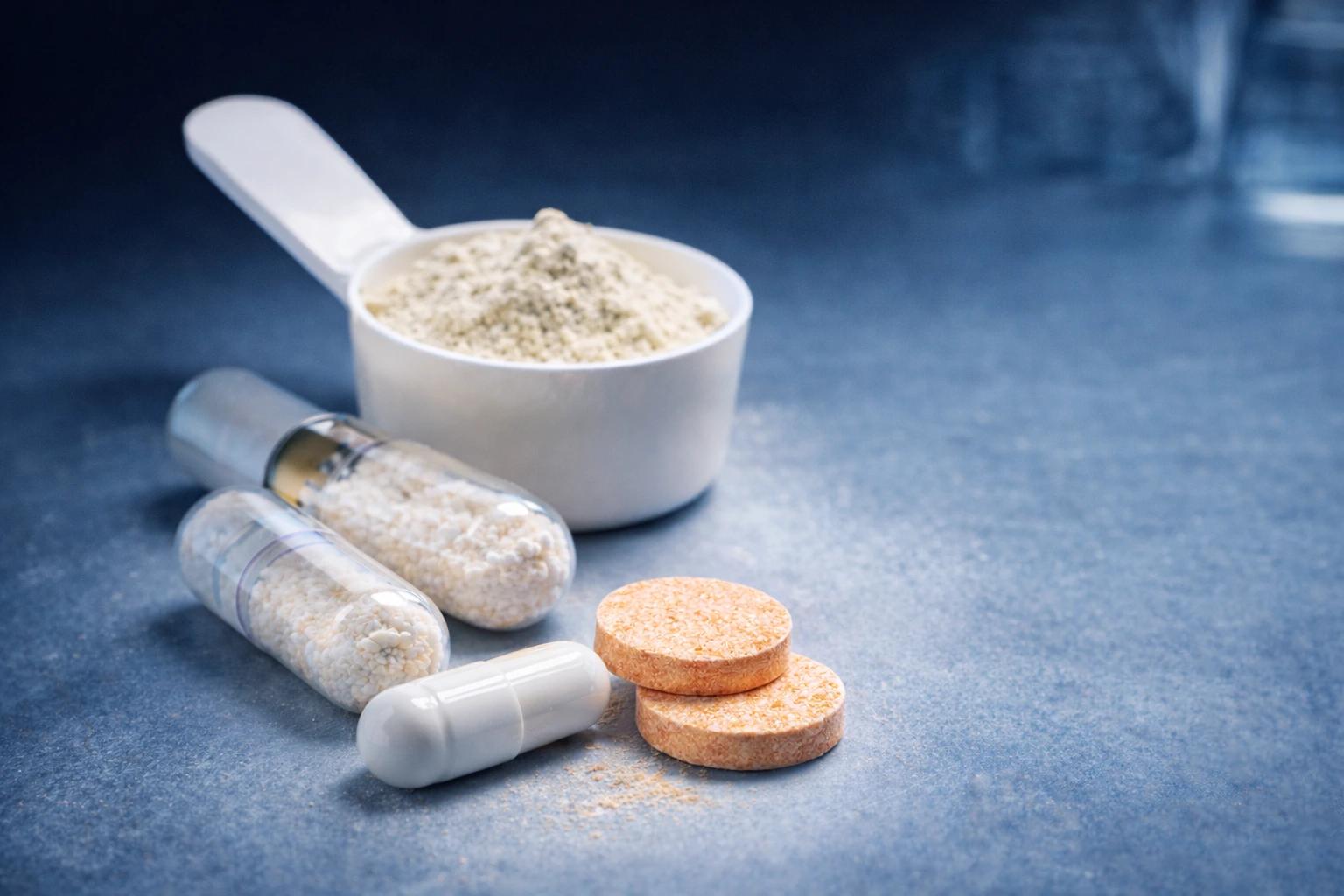
We manufacture a wide range of formats including capsules, tablets, powders, liquids, and gummies. Common GLP-1 companion products include protein blends, targeted multivitamins, probiotic formulations, fiber supplements, electrolyte blends, and comprehensive support bundles that combine multiple benefit areas.
Our team provides guidance on ingredient selection, label claims, and marketing language to help ensure your product is positioned as a dietary supplement that supports nutritional needs during GLP-1 therapy. We do not formulate or market products as drug alternatives or treatments.
Popular ingredients include whey and plant-based proteins, creatine monohydrate, HMB, vitamin D, calcium, B12, magnesium, probiotics (particularly Lactobacillus and Bifidobacterium strains), fiber blends, CoQ10, and electrolyte complexes. Our formulation team can help you select the right combination based on your target consumer and product positioning.
Yes. We offer full formulation development services, from initial concept and ingredient sourcing through stability testing and final production. Our team can help you identify the right product format, ingredient profile, and dosing strategy based on current clinical evidence and market positioning.
MOQs depend on the product type, format, and ingredient complexity. Contact our team to discuss your project specifics and we will provide guidance on production minimums, lead times, and pricing
Read More